



Backflow testing in BC: who needs it, how often, and what happens during a test
Got a backflow preventer? Your city likely requires a test at least once a year by a certified tester. Who needs it, how often, and what the test involves.
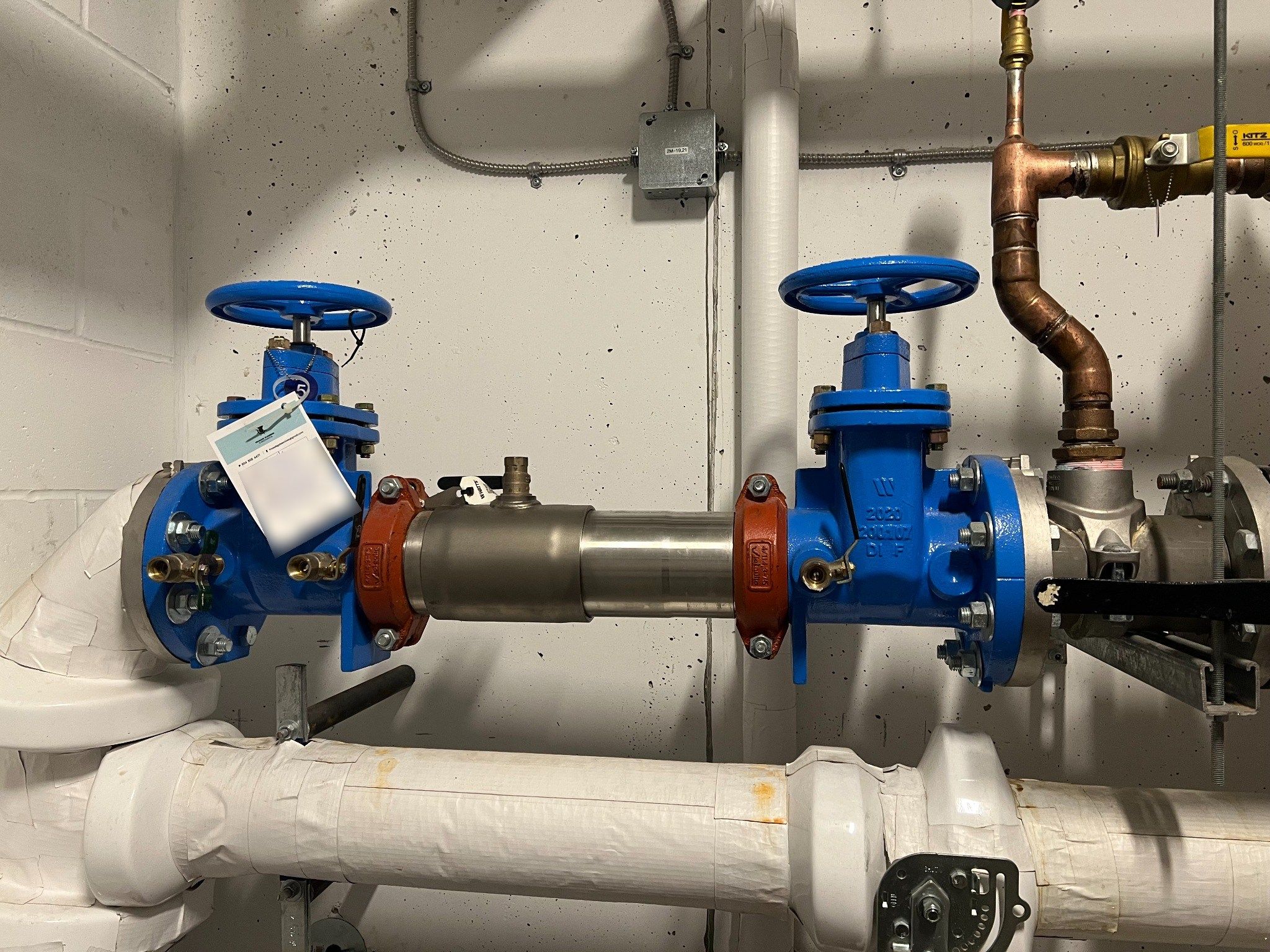
If you manage a strata building, own a commercial property or have an irrigation system, you have probably received a notice saying your backflow preventer is due for its test. Here is what backflow is, why cities require the test, and what to expect on the day.
What is backflow?
Water in your building normally flows one way: from the city main into your pipes. Backflow is when it flows the other way. A sudden drop in pressure on the street, a water main break or firefighting nearby can pull water backward. Water from an irrigation system, a boiler, a fire sprinkler line or commercial equipment can then reach the drinking water supply.
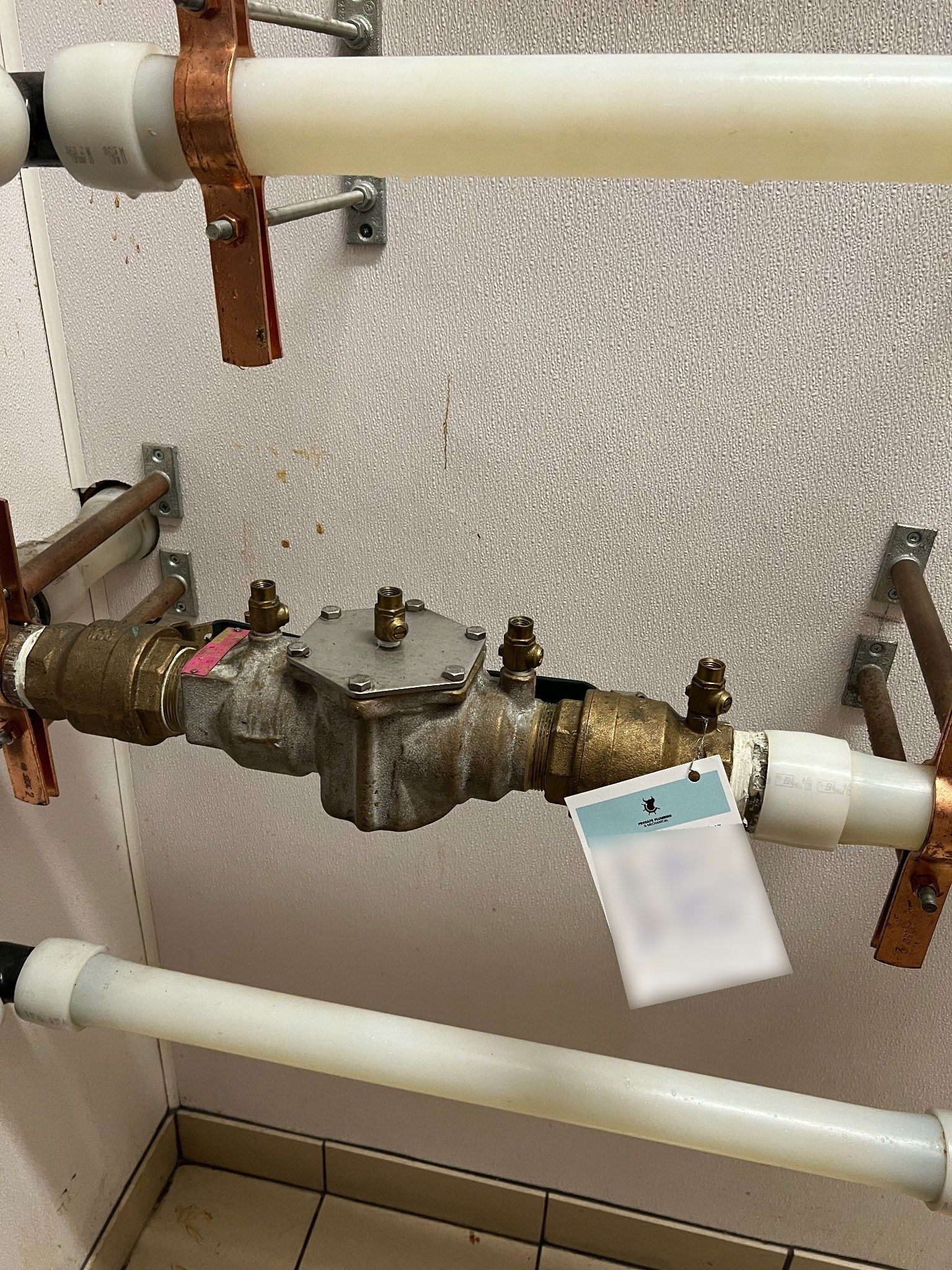
A backflow preventer is a valve assembly that stops that reverse flow. Because it protects everyone's drinking water, cities want proof that it still works.
Who needs a backflow preventer?
Your municipality decides. Common examples include:
- commercial and industrial buildings
- strata and multi-family buildings
- lawn and garden irrigation systems
- fire sprinkler lines
- buildings with boilers or other equipment connected to the water supply
Most municipalities in Metro Vancouver run a cross-connection control program that tracks these devices and sends reminders when a test is due.
How often does a backflow preventer need testing?
Generally:
- when it is first installed
- at least once a year after that, or more often if your local authority requires it
- after it is repaired, cleaned or moved
Testing and reporting deadlines are set by each municipality, so follow the notice from your city or district and its official cross-connection control guidance. The City of Vancouver, for example, publishes its rules on its protecting water quality page.
When we test your device, we submit the test report for you according to your municipality's requirements.
Who can test a backflow preventer?
Only a certified backflow assembly tester. In BC, testers are certified through the BC Water & Waste Association (BCWWA) cross-connection control program, and many cities also require a current business licence and a calibrated test kit. Prosafe's backflow tests are done by a BCWWA-certified backflow assembly tester.
What happens during a backflow test
- The water to the protected line is shut off for a short time. We let you or your building manager know before we start.
- The assembly is tested with a calibrated test kit. The steps depend on the type of assembly: the tester checks that its check valves hold and, on assemblies fitted with a relief valve, that the relief valve opens when it should.
- The water is turned back on.
- The result is recorded and submitted. Passing and failing results are both recorded and submitted according to your municipality's requirements. An assembly that fails needs a repair or replacement, then a new test.
Book your backflow test
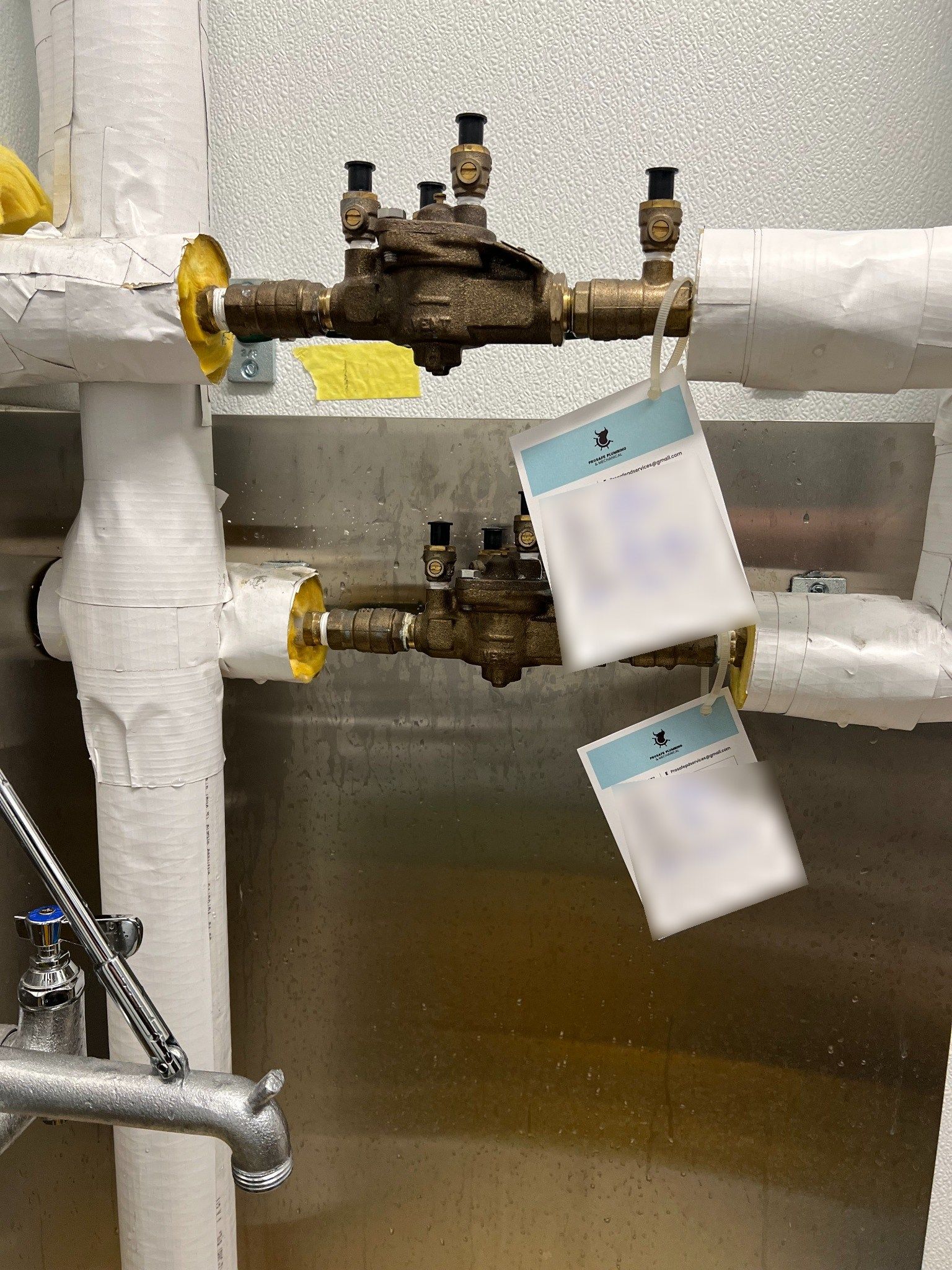
We test backflow preventers for strata buildings, commercial properties and homes across North Vancouver, West Vancouver and the Lower Mainland. Testing is charged per assembly, and we can test every assembly at your property on the same visit.